Decoding Rightwing Rhetoric
The Hidden Meaning Behind "Words that Work"

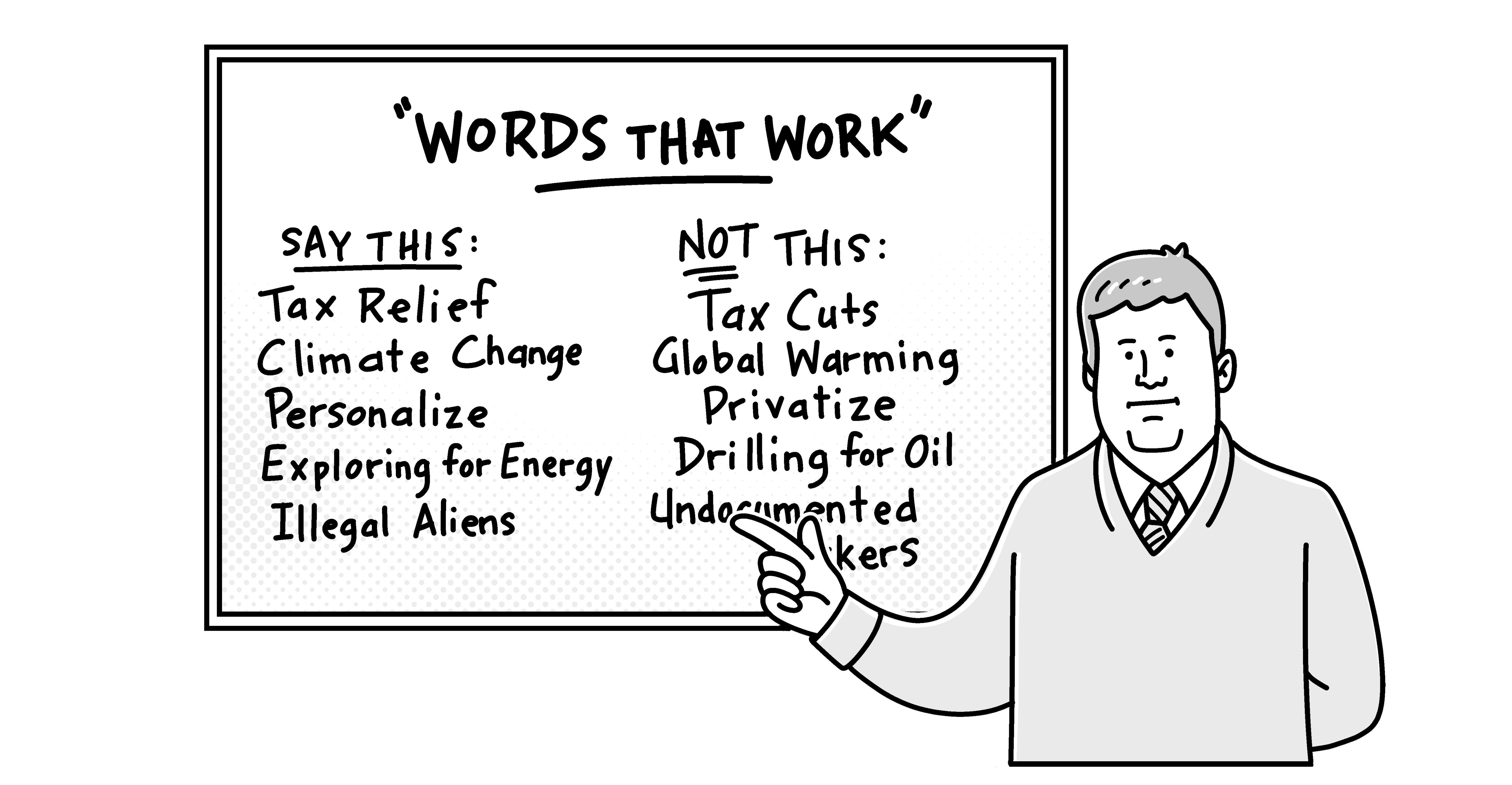
A picture might be worth a thousand words, but the right word has the power to mislead people by the millions.
From welfare queens to WMDs and climate change to critical race theory, the words political leaders deploy shape our perceptions before we even grasp the issue.
Republican strategists from Lee Atwater to Frank Luntz have made careers out of making people fear the wrong things, engage in the wrong debates, and favor policies that often work against the public good.
Have you ever used the term climate change to discuss the topic of global warming? The term was created by Luntz to sound less alarming than global warming, thus discouraging the public from treating it like the impending threat that it is.
Have you ever referred to the gambling industry as gaming? This linguistic sleight of hand was crafted by the gambling industry to make the proliferation of casinos more palatable to the general public.
Have you ever referred to the Affordable Care Act as Obamacare? This term was introduced by Republicans to negatively brand healthcare reform by linking it to a president already despised by their base.
Deceptive rightwing rhetoric has historically served two purposes:
Protect the interests of corporations and the wealthy (Constituent A)
Maintain the social hierarchy by denying equal rights to anyone who’s not a white male (Constituent B)
Consider the term job creator. Conservatives use this term to describe the wealthiest Americans to help them avoid paying taxes. The term was crafted to justify President Ronald Reagan’s trickle-down economics—the idea that slashing tax rates for the ultra wealthy would encourage them to invest in new businesses, which would lead to economic growth and eventually trickle down to the rest of us. Instead, the wealthy hoarded their wealth, creating levels of inequality not seen since the Gilded Age. In reality, the true job creators are the middle and lower class: more than 50 percent of new businesses are started with less than $25,000, and 69 percent are started at home. Therefore, job creators is a misnomer serving only the interests of Constituent A.
Consider the term pro-life. Conservatives frequently employ it to oppose abortion rights. Yet, interestingly, they do not use it once the unwanted fetus becomes a child. There is no pro-life movement to address infant mortality, of which the US has the highest rate in the developed world. There is no pro-life movement to guarantee prenatal and postnatal care to poverty-stricken mothers. There is no pro-life movement for universal childcare or healthcare. There are no pro-life arguments for providing free school lunches or funding the Supplemental Nutrition Assistance Program (SNAP). There is no pro-life effort to raise pollution standards or fund the EPA. There’s no pro-life argument for the Food and Drug Administration to ensure our food is safe to eat. There is no pro-life movement stressing the efficacy of immunizations. Nor is there any pro-life argument against the death penalty. That’s because pro-life is just a branding initiative, used to keep women in the dark as their bodily autonomy is stripped away, serving only the interests of Constituent B.
Frank Luntz might have the dubious distinction of contributing more of what he called “words that work” to the popular lexicon than any other modern pollster. He’s advised Republicans to:
Call tax cuts for the wealthy tax relief (for Constituent A)
Reframe drilling for oil as exploring for energy (for Constituent A)
Call undocumented immigrants illegal aliens to make them sound scarier (for Constituent B)
Reframe outsourcing as innovation (for Constituent A)
Call the estate tax, which only affects the wealthiest 0.1% of the population, a death tax to persuade the public to repeal it (for Constituent A)
As political psychologist Drew Westin explains in The Political Brain:
“A central aspect of the art of political persuasion is creating, solidifying, and activating networks that create primarily positive feelings toward your candidate or party and negative feelings toward the opposition. The Republicans are tremendously adept at doing so, having spent billions of dollars over forty years on think tanks designed in part to hone the conservative message… They have kept government off our backs, torn down that wall, saved the flag, left no child behind, protected life, kept our marriages sacred, restored integrity to the Oval Office, spread democracy to the Middle East, and fought an unrelenting war on terror.”
Republicans have also excelled at defining their opponents. According to Westin, they’ve associated “Democrats and liberals with taxing, spending, military weakness, special treatment of minority groups, low moral standards, and a host of other unsavory characteristics. And they have done so remarkably successfully.”
“Language matters because whoever controls the words controls the conversation, because whoever controls the conversation controls its outcome, because whoever frames the debate has already won it.”
—Erica Jong
Consider these other rhetorical devices conceived and circulated by the political right:
America First
The slogan America First has been a racially-coded political slogan for over a century. It was popularized by Woodrow Wilson, a president so racist that he brought Jim Crow into the US government by segregating the civil service. Wilson employed the phrase to keep America out of World War I, and America’s fascist sympathizers used the phrase to keep America out of World War II.
In 1927, the Ku Klux Klan claimed to be America First, and they reemployed the phrase whenever Black people gained ground in the fight for civil rights. (The phrase even appeared on the Klan’s 1965 commemorative coin—the year the Voting Rights Act passed, which prohibited racial discrimination in voting.)
The phrase has been used by xenophobic nativists, eugenicists, and Christian nationalists seeking to keep the nation white and Protestant by opposing African, Italian, and Catholic immigration, all in service of Constituent B.
All Lives Matter / Blue Lives Matter
The Black Lives Matter movement began after the 2013 acquittal of George Zimmerman in the killing of unarmed Black teenager Trayvon Martin. It began as a way to increase awareness about the disproportionate number of unarmed Black Americans being gunned down, especially at the hands of law enforcement.
Whenever Black Americans have organized to fight for equal rights and justice under the law, a white, conservative backlash has been swift. The BLM movement was no exception. The phrase All Lives Matter began circulating four months after #BlackLivesMatter. By appropriating the very language of grass-roots activism, #AllLivesMatter undercut the momentum of the BLM movement. While the phrase implies inclusivity, its goal is to gloss over the fact that Black people are three times as likely to be killed by police as white people.
The phrase Blue Lives Matter goes a step further. Seeking to reverse the roles of victim and aggressor, #BlueLivesMatter was created to portray law enforcement as the real victims, even though eight-to-ten-times as many citizens are killed by police than police are killed by citizens.
Despite the massive BLM protests of 2020, the two counter-slogans seem to have worked to protect law enforcement from accountability. In 2022, police killings hit a record high (1,097)—and Black people were still overrepresented, accounting for a quarter of those killed, while making up less than 15 percent of the population. In 2023, police killings hit another record high (1,164), and once again, Black people were overrepresented. In 2024, police killings broke yet another record (1,173)—and those are only the killings that were correctly reported. It’s estimated that more than 55 percent of deaths related to police violence are assigned to other causes. (By comparison, the number of police killed by civilians in 2024 totaled 148.)
Notably, as soon as the BLM movement subsided, the Blue Lives Matter organization’s website disappeared, having served its purpose for Constituent B.
D.E.I.
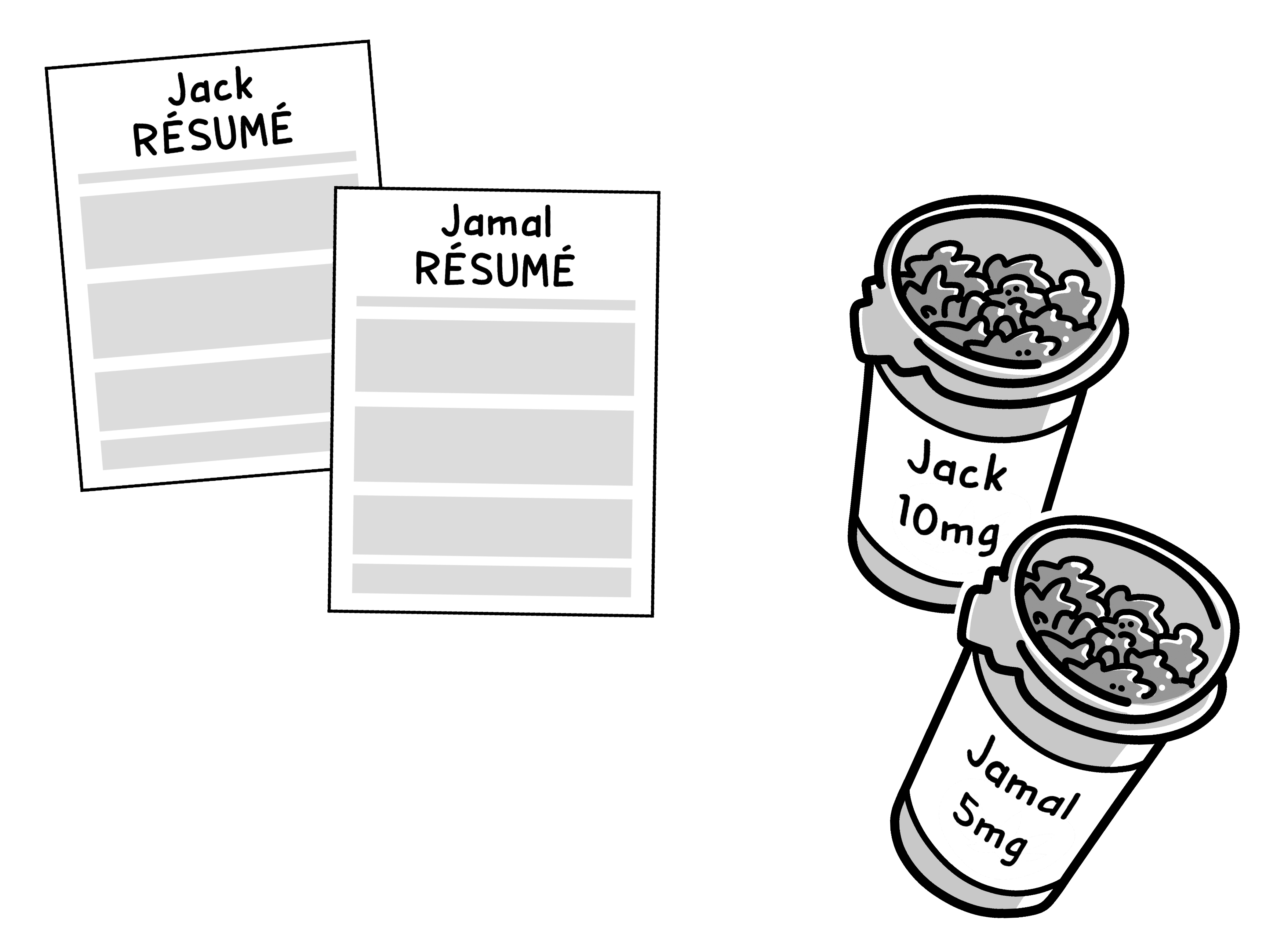
D.E.I. stands for Diversity, Equity, and Inclusion initiatives. American institutions, from colleges to corporations, have established D.E.I. departments as a way to address institutionalized racism and compensate for implicit racial bias in the hiring process.
Despite rightwing denial, both conscious and unconscious racial bias run rampant in the US. Studies show that when equally qualified candidates apply for a job, white candidates are more likely to get a callback than Black candidates—even when their résumés are identical. In the medical industry, a study of 310 health systems found that 90 percent of them prescribe lower doses of pain relief to Black patients than to white patients. Black babies are twice as likely to die when delivered by white doctors instead of Black doctors. In primary education, regardless of the age group, Black students are four times more likely than white students to get suspended.
This racial disparity is even more pronounced in the criminal justice system, where Black people are three times more likely to be arrested than white people. Of the incarcerated Americans serving sentences for drug charges, 90 percent are Black and Latino men, despite Black people making up only 15 percent of drug users, and despite white people reporting a rate of drug use up to eight times that of Black people.
Diversity, Equity, and Inclusion programs attempt to address some of these disparities, which conservative politicians refuse to address at the national level, mostly by denying that structural racism exists—because as long as they convince people that it doesn’t, they don’t have to do anything about it.
Therefore, Republican politicians knowingly distort the nature of these programs to mislead the public. They “create the impression that those whose perspectives are finally being included—like Black Americans, for instance—are receiving some sort of illicit benefit or an unfair advantage,” writes historian Jason Stanley in Erasing History. “And so they target Black Americans who have risen to positions of power and influence and seek to delegitimize them as undeserving.”
Just like attacks on affirmative action and critical race theory, D.E.I. has become a way to deny Black progress, such as forcing out the first Black president of Harvard University and erasing all mentions of people of color from government websites, from Harriet Tubman to Jackie Robinson—all in the service of Constituent B.
Family Values
After religious groups failed in their opposition to civil rights in the 1960s, they turned their focus to fighting second wave feminism and a burgeoning gay rights movement in the 1970s.
Instead of arguing for patriarchy and the oppression of gays and lesbians as second-class citizens, the religious right had to find more palatable branding to disguise their true motives. They claimed to champion family values, referring to a biblical family model, where a woman’s place was in the home taking care of children, and where gay people had no place at all. It was a way for the right to portray those on the left who were fighting for progressive issues (feminism, abortion, gay marriage) as being outside of tradition, and thus, disturbing the natural social order.
The term was used by Christian nationalists, segregationists, and infamous anti-feminist Phylis Schlafly to help defeat the Equal Rights Amendment, which would have ended discrimination based on sex.
Politicians took up the mantle to cast single parents as moral failures, as Vice President Dan Quayle famously did in 1992 when he attacked the fictional character Murphy Brown for having a baby out of wedlock. However, the term was more often used to shame unwed African American mothers as being morally unfit, once again serving Constituent B.
George Soros
Although the name George Soros has been thrown about for decades, Soros-as-bogeyman owes a lot to two conservative political consultants known for their negative campaigning: former Nixon advisor Arthur Finkelstein, aka the Merchant of Venom, and Finkelstein’s protégé George Birnbaum, former Chief of Staff to Benjamin Netanyahu.
In 2010, and again in 2014, Hungarian Prime Minister Viktor Orbán consulted the pair for his election campaigns. Because an authoritarian strongman like Orbán requires a manufactured enemy to maintain political power, he tasked the two consultants with finding a cosmopolitan elite who could be blamed for all of Hungary’s ills—a propaganda tactic straight out of Nazi Germany. Finkelstein and Birnbaum selected George Soros.
Soros is a Hungarian-born billionaire and philanthropist of Jewish descent. After surviving the Holocaust and fleeing communism, he went on to become one of the largest funders of democracy and education worldwide, and he was the largest funder of prodemocracy civil society groups in Hungary.
It didn’t matter that Orbán had once received a Soros-funded scholarship, himself, to study at Oxford. Soros’s Open Society Foundations promote a free press, minority rights, and anti-corruption—all initiatives that threaten antidemocratic strongmen like Orbán.
In 2013, Orbán’s coziest media outlets began attacking Soros as a menace to Hungarians. “Because Soros had been such a generous donor, it was easy to point to the large number of Hungarian institutions receiving his money as evidence that he was manipulating the country from behind the scenes,” writes Zack Beauchamp in The Reactionary Spirit. “He painted the entire spectrum of Hungarian civil society institutions, human rights groups, and scholars who called out his antidemocratic behavior as part of the ‘Soros-funded’ plot against traditional Hungary.”
Soros has become an easy scapegoat for countless conspiracy theories across the globe: faking chemical attacks in Syria, funding anti-Trump protests in the US, flooding Europe with refugees, and plotting against political leaders in Poland, Romania, and Brazil.
“Soros has become the perfect villain,” writes Gideon Rachman in The Age of the Strongman. “He is an internationalist in an age of nationalism. He is a supporter of individual not collective rights. He is the fifty-sixth richest man in America.” (And that’s after he’s given away over $32 billion of his wealth to charitable causes.) The fact that Soros is Jewish also taps into deep-seated anti-Semitism, “making it easier to cast him in the role of the shadowy and manipulative international financier.”
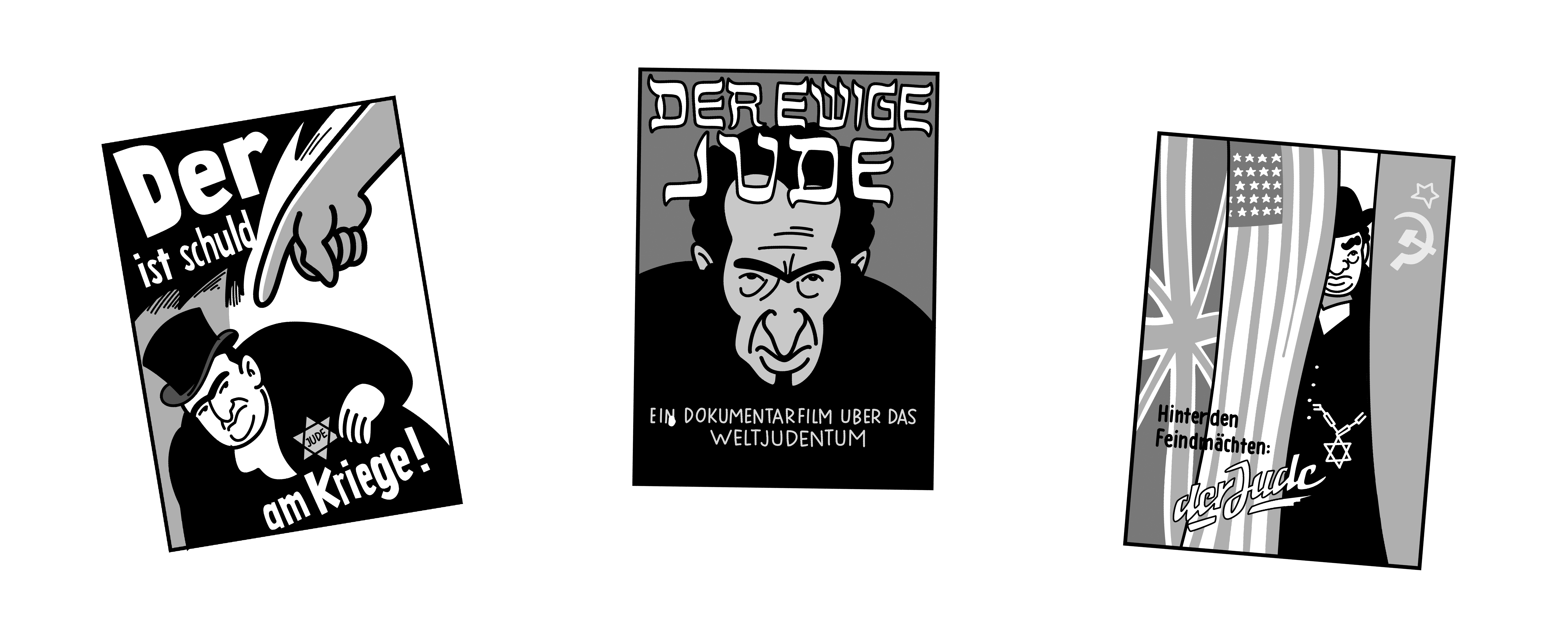
Conservatives have relied on anti-Semitism to fight liberal causes since the 1903 publication of the conspiracy-laden The Protocols of the Elders of Zion. The Russian book popularized the phrase “international bankers” and spread the myth that Jews were trying to take over the world.
Today, far right nationalists around the globe vilify Soros with similar conspiratorial rhetoric, echoing 1930s Germany, where the nationalist right blamed their ills on a globalist cabal of Jews who threatened their way of life. By scapegoating a Jewish philanthropist like Soros, those who actively seek to undermine democracy, like Orbán, successfully shift blame away from themselves, thereby serving Constituent A.
Law and Order
The slogan law and order dates back to at least 1921, when the Ku Klux Klan claimed to stand not for “race prejudice,” but for “law and order,” rebranding their racism as patriotism.
The term was long used by Southern segregationists, and it officially entered presidential politics in 1964 with Barry Goldwater’s failed campaign. Goldwater, who blamed crime on the civil rights movement, had used the term to appeal to frightened white voters resistant to racial integration.
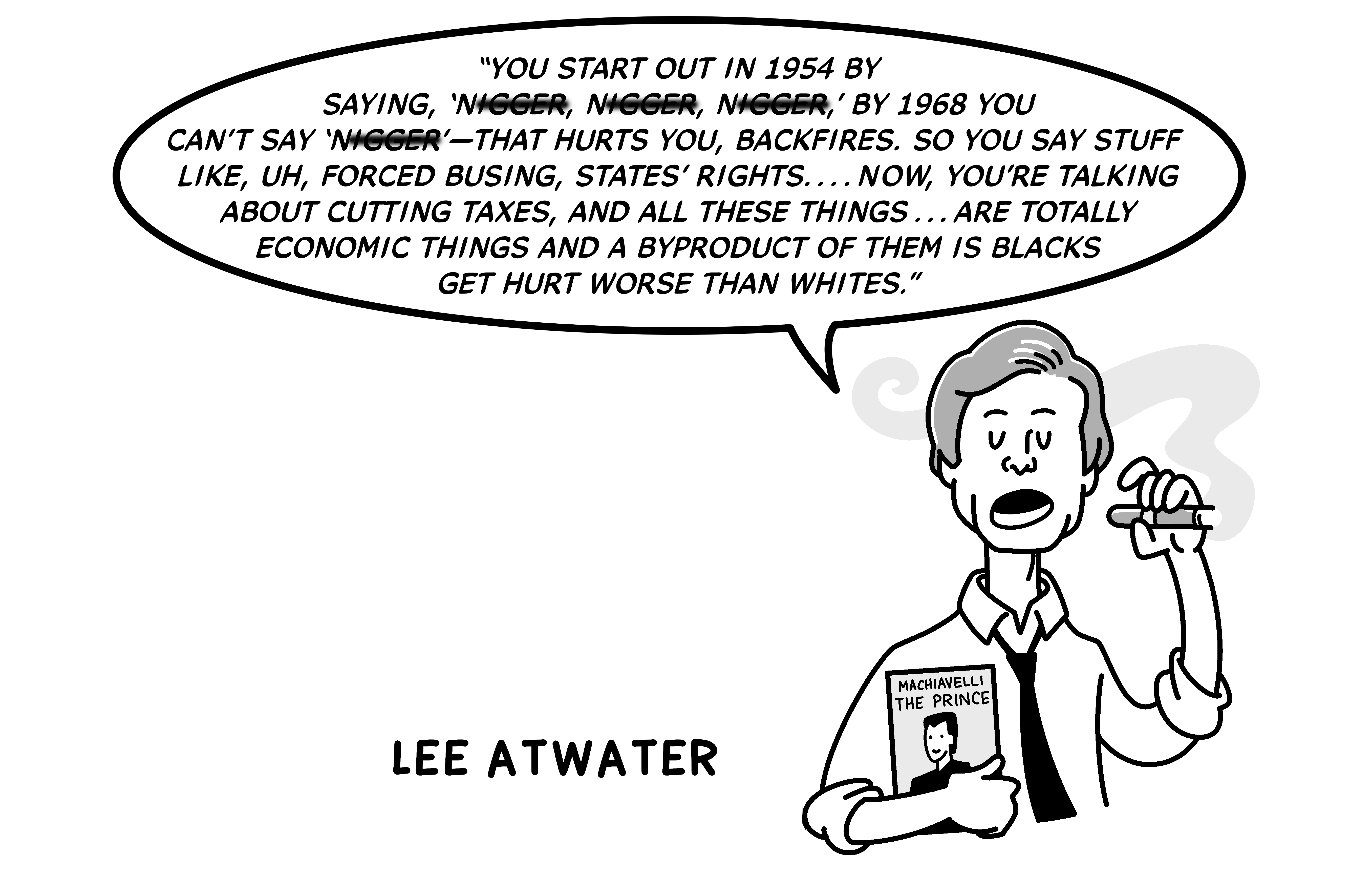
Because it was no longer socially permissible for polite white people to publicly admit they opposed racial integration, politicians had to find a way to tap into that racism without appearing overtly racist. Law and order became the perfect “dog whistle,” a coded phrase that conveyed the sentiment without having to say the quiet part out loud.
Prior to the 1960s, the federal government had left crime fighting to the states. But in 1968, Richard Nixon realized the political capital of the slogan, and he repurposed it for his own campaign. Nixon, who gave 17 campaign speeches on law and order, linked the political unrest of the 1960s with the Reconstruction-era trope of Black criminality. (Before the Civil War, Black people were stereotyped as being dumb and docile to justify their subjugation; but after the Civil War, former slaves were stereotyped as being dangerous in order to justify their incarceration, where they’d be forced to work off their sentences on their former plantations.)
Thus, civil rights demonstrations were often depicted by rightwing politicians as criminal in nature, rather than political.
“For more than a decade—from the mid-1950s until the late 1960s—conservatives systematically and strategically linked opposition to civil rights legislation to calls for law and order, arguing that Martin Luther King Jr.’s philosophy of civil disobedience was a leading cause of crime,” writes Michelle Alexander in The New Jim Crow.
As African Americans protested to end racial discrimination and demand access to equal employment, decent housing, and education, Nixon chose to ignore their valid concerns. Instead of cracking down on police brutality and vigilante violence, Nixon just chose to lock Black people up, which placated his base of suburban whites (i.e., the “silent majority”).
In later years, other slogans would arise to mean essentially the same thing: tough on crime, stop and frisk, inner city, broken windows—all terms used in service of Constituent B.
Political Correctness
Political correctness originated as a positive term, an inside joke among leftists, nearly a century ago. But in the 1980s and ‘90s, the term was coopted as a form of resistance to three progressive changes happening on college campuses:
Affirmative Action helped more Black students get to college
Gay and Lesbian organizations were forming
Feminist professors were getting tenure
This meant it was becoming less acceptable to engage in racist, homophobic, and misogynistic behavior.
Thus, when conservatives were reprimanded for that behavior, they mischaracterized these attempts at reform as political correctness. The term was an attempt to silence those on the left who called out hate speech because it infringed on the right’s freedom to be offensive.
Political correctness became a catch-all term used to smear progressive ideals as a form of censorship. It became a rallying cry of rightwing culture warriors to deny tenure to feminist professors, defund gay and lesbian organizations, and eliminate affirmative action.
Today, the term cancel culture serves the same purpose, still servicing Constituent B.
Sanctuary Cities
The term sanctuary city was coined by conservatives to describe cities in blue states where local police departments no longer carry out the work of Immigration and Customs Enforcement (ICE).
This doesn’t mean the cities are free of immigration enforcement altogether, but that police departments no longer inquire about an individual’s immigration status when going about police business, and thus no longer arrest those suspected of being undocumented without legal cause. It’s an attempt by law enforcement to prioritize their own crime fighting responsibilities over that of ICE’s, particularly by fostering a more trusting relationship with immigrant communities.
Police have found that when immigrant communities fear cops, it makes it harder for the police to do their jobs. If citizens are afraid that they—or their relatives, coworkers, or classmates—might be locked up for being undocumented, then they are less likely to report a crime, preventing police from carrying out crime fighting measures. When immigrants feel safe calling 911, they are more likely to report crimes, call for help in an emergency, and give eyewitness statements when criminal conduct has occurred.
Despite conservatives’ best efforts to demonize sanctuary cities as being lawless hellscapes, their crime rate is no higher than that of non-sanctuary cities. Such unfounded fears serve both Constituents A and B.
Voter Fraud
Cries of voter fraud and election fraud in the U.S. have historically been a tactic of voter suppression to keep people of color from voting. It rears its head each time minorities have a strong turnout in national elections. This tactic dates back to the aftermath of the Civil War, on the grounds that newly freed slaves could not be trusted to vote, because they would shift the balance of power and enrich themselves at white people’s expense.
After Black people turned out in droves to help elect Barack Obama in 2008, cries of voter fraud made a comeback. It’s been used as justification for enacting voter ID laws, restricting early voting, purging voter rolls, closing voter precincts, reducing poll hours, and even criminalizing people providing food or drink to voters standing in line for hours on end—a move straight out of the Jim Crow South when civil rights workers were arrested for serving food without a license.
As Paul Weyrich, cofounder of the conservative Heritage Foundation, candidly admitted in a 1980 interview, “I don’t want everybody to vote. . . . Our leverage in the elections quite candidly goes up as the voting populace goes down.” To keep voter turnout down, lobbying groups like the American Legislative Exchange Council draft voter ID policies for legislators to implement at the state level to make it harder for people to vote. As political strategist Karl Rove once explained it, if you can get rid of 0.25 percent of the minority vote, you can turn an election to his party’s favor.
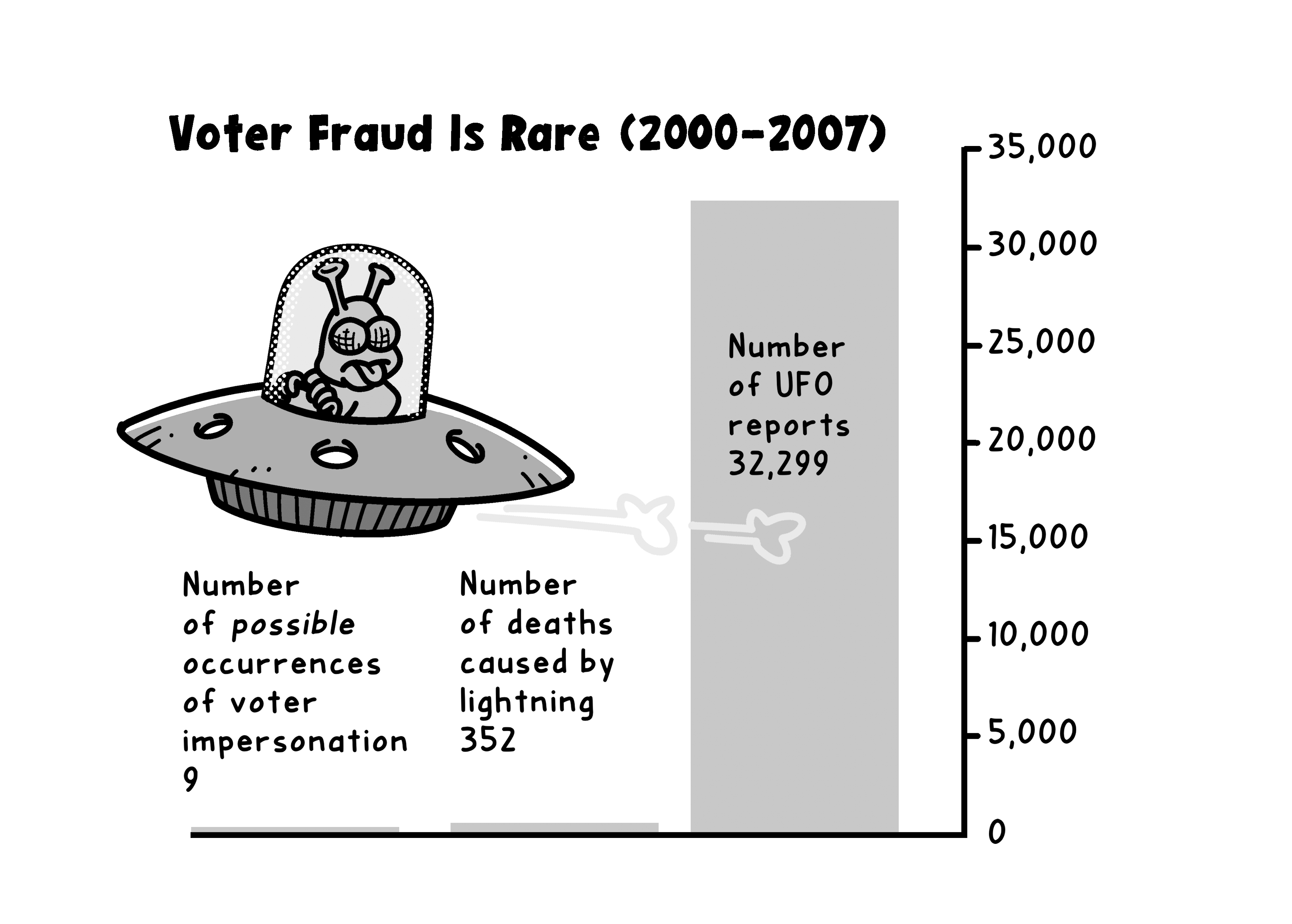
In reality, voter fraud is incredibly rare, between 0.0003 percent and 0.0025 percent. Out of the 136 million votes cast in the 2016 election, there were only 4 cases of fraud, or 0.000,003 percent. So-called voter impersonation happens only in 1 out of every 32 million votes, and the odds that it would influence an election are 0.0,000,017 percent. In the rare instance when it does happen, it’s usually due to clerical errors—misspellings, outdated city registers, or basic human incompetence. But the fear that voting fraud is rampant serves both Constituents A and B.
Wokeness
The term woke was originally coined by African Americans to describe someone who had become aware of the various ways racial discrimination plays out in American society. The Black Lives Matter movement brought the term into wider use beginning in 2014, and then more so in 2020, after mass protests swept the nation (and the world) after the killing of George Floyd at the hands of Minneapolis police. The 2020 protests became the largest in American history, with between 15 and 26 million Americans participating in over 5,000 demonstrations in all 50 states. Nearly 75 percent of Americans sympathized with the movement, and the country was poised to finally reckon with its history of racial injustice.
However, it was met with swift backlash from conservatives who felt their status in society threatened by the mere idea of addressing institutionalized racism. Rightwing pundits on partisan media, opportunistic Republican governors, and the conservative establishment of think tanks and career politicians got busy trying to undermine the movement. They coopted the term woke to disparage attempts to address racial injustice, including merely educating people about it.
Under the banner of fighting so-called wokeness, conservatives from coast to coast censored books by Black authors at schools and libraries, opposed police reforms that would have addressed the disproportionate killing of unarmed Black men, erased Black Americans from history books, denied the horrors of slavery, and spread lies that critical race theory—an obscure college-level theory taught at law schools—was being taught in primary schools.
Wokeness became one more dog whistle for stoking white grievance, following in the footsteps of law and order, tough on crime, welfare queens, forced busing, and states’ rights—all serving Constituent B.
“Pandering to white voters through ‘dog whistles’ is a cornerstone of the Republican Party, which harnesses the government to protect the interests of the affluent by positioning whiteness as under attack. Unfortunately the policies that Republicans create (tax cuts for the wealthy, limited labor oversights, slashes to social security safety nets) benefit only the owners of industry, not the millions who keep those businesses running.”
—Francesca Bolla Tripodi, The Propagandists’ Playbook
Conclusion
When a morally bankrupt political party doesn’t stand for anything, they must stand against something—affirmative action, D.E.I., political correctness, sanctuary cities, welfare queens, George Soros, wokeness.
When they can’t engage in policy debate or offer anything of substance, they must rely on emotional manipulation to rally support—outrage at welfare queens and wokeness, resentment of affirmative action and D.E.I., grievance at elites like George Soros, fear of sanctuary cities and voter fraud.
And when they seek to consolidate wealth and power in the hands of a few, they must disparage policies that could lead to a more equal society.
For these reasons, they rely on cleverly concocted buzzwords and slogans—not only “words that work,” but words deliberately designed to mislead and misinform.
Psychiatrist Allen Frances notes the hypocrisy of these buzzwords in his book Twilight of American Sanity:
“Joining a ‘Tax Revolt’ means unwittingly supporting tax evasion by the superrich and the multinational corporations. ‘Getting government off Our Back’ means freeing big banks, Big Pharma, and Big Energy to have their way with unwary consumers—unregulated by government protections. ‘Small government’ means worse schools, health care, and public services for the ordinary people who can’t afford to go private. Support for ‘Family Values’ means defunding programs that might actually help keep families together. Protecting a fetus’s ‘Right to Life’ allows you to not worry about its quality of life once born. ‘Welfare Mothers’ are irresponsible and should be kicked off the government dole, but Big Oil and Big Agriculture get to keep their big government subsidies. ‘Entitlements’ are evil unless it is the military contractors who are entitled. ‘Redistribution’ of wealth is un-American unless the wealth is flowing upward to the superrich. ‘Individual liberty’ and ‘constitutional rights’ should prevent government interference with gun owners, but should not prevent government interference with a woman’s womb. ‘States’ Rights’ must be protected, unless it is a blue state exercising its rights against the right-wing agenda. Good manners and decency are deplored as ‘Politically Correct’; bad manners and interpersonal cruelty are extolled as ‘telling it like it is’. ‘Class War’ is not the attack of the superrich against the lower classes, it is any attempt by the lower classes to mount any form of defense against the superrich.”
As Frances illustrates, these slogans are not policy solutions. They are merely sales tools.
What rightwing rhetoric sells is a false bill of goods, paid on the backs of those most marginalized, and in service of society’s most privileged constituents.
Art by Allan Whincup.
Sources:
AMERICAN PSYCHOSIS: A Historical Investigation of How the Republican Party Went Crazy by David Corn
BEHOLD, AMERICA: A History of America First and the American Dream by Sarah Churchwell
BLACK GRIEF/WHITE GRIEVANCE: The Politics of Loss by Juliet Hooker
DOG WHISTLE POLITICS by Ian Haney Lopez
ERASING HISTORY: How Fascists Rewrite the Past to Control the Future by Jason Stanley
FROM GEORGE WALLACE TO NEWT GINGRICH: Race in the Conservative Counterrevolution 1963-1994 by Dan Carter
IT WAS ALL A LIE: How the Republican Party Became Donald Trump by Stuart Stevens
MEME WARS: The Untold Story of the Online Battles Upending Democracy in America by Joan Donovan, Emily Dreyfuss, and Brian Friedberg
MYTH AMERICA: Historians Take on the Biggest Legends and Lies about Our Past edited by Kevin M. Kruse and Julian E. Zelizer
NETWORK OF LIES: The Epic Saga of Fox News, Donald Trump, and the Battle for American Democracy by Brian Stelter
NUT COUNTRY: Right-Wing Dallas and the Birth of the Southern Strategy by Edward H. Miller
ON FASCISM: 12 Lessons from American History by Matthew C. MacWilliams
POLICING WHITE SUPREMACY: The Enemy Within by Mike German
PREPARING FOR WAR: The Extremist History of White Christian Nationalism—and What Comes Next by Bradley Onishi
RACE AGAINST TIME: The Politics of a Darkening America by Keith Boykin
SEEING OTHERS: How Recognition Works—and How It Can Heal a Divided World by Michele Lamont
SPIN DICTATORS: The Changing Face of Tyranny in the 21st Century by Sergei Guriev & Daniel Treisman
THE AGE OF THE STRONGMAN: How the Cult of the Leader Threatens Democracy Around the World by Gideon Rachman
THE FOX EFFECT by David Brock
THE LONG SOUTHERN STRATEGY: How Chasing White Voters in the South Changed American Politics by Angie Maxwell and Todd Shields
THE MYTH OF POLITICAL CORRECTNESS: The Conservative Attack on Higher Education by John K. Wilson
THE NEW JIM CROW: Mass Incarceration in the Age of Colorblindness by Michelle Alexander
THE POLITICAL BRAIN: The Role of Emotion in Deciding the Fate of the Nation by Drew Westen
THE PROPAGANDISTS’ PLAYBOOK: How Conservative Elites Manipulate Search and Threaten Democracy by Francesca Bolla Tripodi
THE REACTIONARY SPIRT: How America’s Most Insidious Political Traditions Swept the World by Zack Beauchamp
THE TYRANNY OF THE MINORITY by Steven Levitsky & Daniel Ziblatt
THESE TRUTHS: A History of the United States by Jill Lepore
THEY KNEW: How a Culture of Conspiracy Keeps America Complacent by Sarah Kendzior
TROLL NATION: How the Right Became Trump-Worshipping Monsters Set on Ratfucking Liberals, America, and Truth Itself by Amanda Marcotte
TWILIGHT OF AMERICAN SANITY: A Psychiatrist Analyzes the Age of Trump by Allen Frances, MD
WANNABE FASCISTS: A Guide to Understand the Greatest Threat to Democracy by Federico Finchelstein
WHITE FEAR: How the Browning of America is Making White Folks Lose Their Minds by Roland S. Martin
WHOSE FREEDOM? The Battle Over America’s Most Important Idea by George Lakoff
WORDS THAT WORK: It’s Not What You Say, It’s What People Hear by Frank Luntz
“The New American Lexicon” Memorandum by Frank Luntz, 2006
Law Enforcement Deaths Throughout U.S. History https://nleomf.org/memorial/facts-figures/officer-fatality-data/officer-deaths-by-year/
Number of people shot to death by the police in the United States from 2017 to 2024, by race https://www.statista.com/statistics/585152/people-shot-to-death-by-us-police-by-race/
STARTUP STATISTICS – The Numbers You Need to Know https://smallbiztrends.com/startup-statistics/
What Trump Really Means When He Tweets “LAW & ORDER!!!” https://www.themarshallproject.org/2020/10/07/what-trump-really-means-when-he-tweets-law-order